


If you walk into a museum, you might see rugs from the 17th or 18th century that still hold their structure and color. These aren’t just decorative pieces kept behind glass; they were floor coverings that withstood decades, sometimes centuries, of use. What separates these heirlooms from the rug you might find at a big-box store today? The answer lies almost entirely in how they were made.
Hand knotted rugs are the gold standard of the carpet world. Unlike machine-made or hand-tufted alternatives, which use glue or synthetic backings to hold fibers together, a hand knotted rug relies on friction and structural integrity. Every single knot is tied by hand around the warp threads, creating a foundation that is incredibly strong.
For homeowners looking to buy rugs that don’t need replacing every few years, understanding this durability is key. It’s not just about spending more money; it’s about understanding the mechanics of why these pieces last. Let’s look at exactly what makes these rugs tough enough to become family heirlooms.
The Knotting Process: Built to Last
The primary reason for the superior durability of hand knotted rugs is the construction method itself. This is not a manufacturing process you can speed up. It is slow, deliberate, and labor-intensive.
In a hand knotted rug, the weaver ties individual knots onto a vertical foundation known as the warp. These knots form the pile of the rug—the part you walk on. Because the pile is tied directly to the foundation, it becomes an integral part of the rug’s structure. There is no adhesive involved. The structural integrity comes from the tension and the knot itself.
Contrast this with a hand-tufted rug. In tufting, a worker shoots yarn through a canvas backing using a gun. To keep the yarn in place, they apply a layer of latex glue to the back and cover it with a secondary cloth. Over time, that glue dries out, crumbles, and releases a fine dust. Once the glue fails, the tufts fall out.
Hand knotted rugs don’t have this point of failure. You can wash them, fold them, and subject them to heavy foot traffic without worrying about a backing material disintegrating. This construction method allows the rug to handle stress and movement naturally, rather than fighting against a stiff, glued backing.
Materials Matter: Wool, Silk, and Cotton
Construction is only half the battle; the raw materials determine how well a rug ages. Most authentic Handmade Rugs in India use natural fibers like wool, silk, and cotton, which inherently possess qualities that synthetic fibers struggle to match.
Wool is the most common material for the pile, and for good reason. Sheep’s wool contains lanolin, a natural oil that repels stains and moisture. The fiber itself is like a coiled spring; it can stretch and compress without breaking, allowing it to bounce back after you step on it. This resilience prevents the “matted down” look that often plagues synthetic carpets in high-traffic areas.
Silk adds a layer of strength despite its delicate appearance. While often used for detailed highlights due to its sheen, silk has a high tensile strength. When tightly knotted, it creates a dense, durable surface.
Cotton typically forms the foundation (warp and weft) of the rug. It provides a solid, non-stretching base that keeps the rug flat and square on your floor.
Cheap synthetic alternatives like polypropylene or viscose might look soft initially, but they lack this structural memory. They tend to flatten quickly and absorb oils, making them look dingy over time. Hand knotted rugs using premium natural fibers simply wear better, developing a patina rather than looking worn out.
Density and Weave: The Strength in Numbers
When you shop for rugs, you might hear the term “knots per square inch” (KPSI). This metric refers to density, and it plays a huge role in durability.
Think of it like the resolution on a screen. A higher knot count means more knots are packed into the same amount of space. This density creates a firm, tight pile that stands up straight. Dirt and debris sit on top of a dense pile rather than sinking deep into the foundation where they can act like sandpaper and cut the fibers.
A loose weave allows dust to penetrate easily, accelerating wear. A tightly woven hand knotted rug acts almost like a barrier. This density also makes the rug heavier and more substantial, helping it stay in place on the floor without bunching or curling at the corners.
The weave itself locks the structure together. In high-quality pieces, the weft threads (which run horizontally) are beaten down firmly after each row of knots. This compacts the rug, securing the knots and creating a fabric that is incredibly difficult to tear or unravel.
Longevity and Care: Maintaining the Lifespan
Even the toughest rug needs care, but the maintenance for a hand knotted piece differs significantly from other types. Because there is no glue backing, you can thoroughly wash these rugs.
Professional cleaning for a hand knotted rug involves submerging it in water and flushing out the dirt—a process that would ruin a tufted rug by dissolving its adhesive. This ability to deep clean means you can remove abrasive grit from the foundation, effectively resetting the rug’s lifespan.
Simple care tips to extend durability:
- Rotate frequently: Spin your rug 180 degrees every six months to ensure it wears evenly, especially if it sits in a sunny spot or a high-traffic lane.
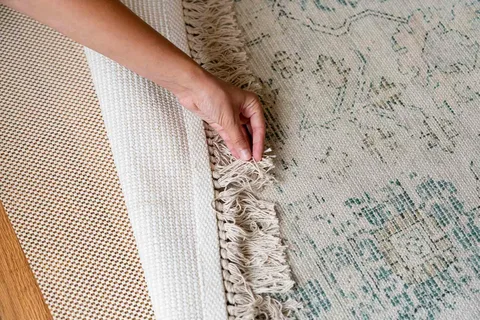
- Pad it: Use a high-quality rug pad. This acts as a shock absorber, reducing the friction between the rug and the hard floor.
- Vacuum right: Avoid the beater bar (the rotating brush) on your vacuum, as it can pull at the knots. Use suction only.
With this basic maintenance, a hand knotted rug doesn’t just last for years; it lasts for generations.
Investment Value: Why Toughness Pays Off
Sticker shock is real when you look at high-quality carpets. However, durability makes hand knotted rugs a smarter financial move in the long run.
If you buy a budget rug for $300 that falls apart in three years, you are in a cycle of constant replacement. You end up buying three or four cheap rugs in a decade. A hand knotted rug might cost significantly more upfront, but its lifespan is measured in decades, not years.
Furthermore, these rugs retain value. Because they are durable art pieces, they often resell well. A worn synthetic rug is trash; a worn hand knotted rug is “vintage.” This longevity makes them sustainable, keeping massive amounts of synthetic waste out of landfills.
When you buy rugs made with this level of craftsmanship, you pay for the thousands of hours the artisan spent tying knots. You are paying for a product that refuses to be disposable.
The Bottom Line on Durability
Durability isn’t an accident; it is engineered. Hand knotted rugs outlast the competition because their fundamental structure relies on physics and high-quality natural fibers rather than chemical adhesives.
If you want a floor covering that can handle family life, pets, and decades of foot traffic while maintaining its beauty, the choice is clear. The initial investment secures a piece of functional art that will likely outlive the house it sits in.
