


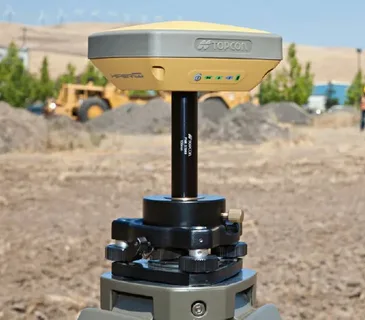
Global Navigation Satellite Systems (GNSS) have become an integral part of modern navigation and surveying applications. With their ability to provide real-time, precise gnss positioning system data, GNSS has revolutionized industries ranging from transportation to agriculture, construction, and environmental monitoring. In this article, we will explore the role of GNSS in modern navigation and surveying, highlighting its impact, applications, and the technologies that make it possible.
What is GNSS?
GNSS stands for Global Navigation Satellite Systems, which refers to a network of satellites orbiting the Earth that transmit signals to receivers on the ground. These signals allow receivers to calculate their precise location (latitude, longitude, and altitude) anywhere on the planet. GNSS encompasses several satellite constellations, including:
- GPS (Global Positioning System) – The U.S.-based satellite navigation system.
- GLONASS – Russia’s satellite navigation system.
- Galileo – The European Union’s satellite navigation system.
- BeiDou – China’s satellite navigation system.
By utilizing signals from multiple constellations, GNSS systems provide enhanced accuracy and reliability, which is crucial for many modern applications.
The Role of GNSS in Modern Navigation
GNSS has fundamentally changed the way we navigate the world. Whether it’s a car, airplane, ship, or even a smartphone, GNSS technology enables users to determine their location with unprecedented precision. In the past, traditional methods such as maps, compasses, and visual landmarks were relied upon for navigation, but these methods are now largely obsolete due to the convenience and accuracy offered by GNSS.
Transportation and Fleet Management
GNSS has had a profound impact on the transportation sector, particularly in fleet management. GPS technology allows businesses to track vehicles in real-time, optimize routes, monitor fuel consumption, and improve safety. For example, logistics companies can use GNSS to track delivery trucks, ensuring timely deliveries and reducing the likelihood of route deviations or delays.
Aviation and Maritime Navigation
In aviation, GNSS has become essential for accurate flight planning, navigation, and landing. GNSS-based systems, like the Wide Area Augmentation System (WAAS), provide pilots with precise location information to safely navigate through challenging conditions. Similarly, maritime vessels rely on GNSS for navigating the open seas, ensuring that ships stay on course, even in the most remote areas.
The Role of GNSS in Modern Surveying
Surveying, a critical component of fields such as construction, land development, and environmental science, has been greatly enhanced by GNSS. In the past, surveying required the use of bulky equipment and manual measurements that were time-consuming and prone to error. Today, GNSS technology allows surveyors to collect data quickly and accurately with minimal equipment.
Land and Property Surveying
In land and property surveying, GNSS plays a pivotal role in providing highly accurate measurements for mapping and boundary identification. Traditional methods such as theodolites and total stations are still used, but GNSS offers an alternative that simplifies the process and improves productivity. By using GNSS receivers, surveyors can work in virtually any environment—urban areas, forests, and even remote locations—without being constrained by line-of-sight limitations.
Construction and Engineering
In construction, GNSS is used for machine control, site layout, and as-built surveys. GPS-guided construction equipment can automatically adjust its position in real-time, reducing the need for manual intervention. This results in greater efficiency, fewer errors, and cost savings during the construction process. Engineers also use GNSS to monitor structural movements, such as the settling of buildings or bridges over time, providing valuable insights into long-term stability.
Advantages of GNSS Technology
GNSS technology offers numerous advantages that make it indispensable in modern navigation and surveying:
High Precision
GNSS provides centimeter-level accuracy in positioning, which is vital for applications that require highly precise data, such as surveying and geodesy. For example, GNSS-based surveying can measure distances, angles, and elevations with remarkable precision, ensuring reliable results in construction projects and land development.
Global Coverage
GNSS operates globally, making it accessible to users in remote areas where traditional positioning systems may be unreliable or unavailable. This worldwide coverage has been particularly beneficial in aviation, maritime navigation, and even disaster response efforts, where location data is critical for rescue operations.
Real-Time Data
GNSS systems offer real-time data transmission, allowing users to receive up-to-the-minute positioning information. This is especially important for industries like transportation, where real-time data allows for effective fleet management and route optimization.
Challenges and Future Trends
While GNSS has revolutionized navigation and surveying, it is not without its challenges. Factors like signal interference, multi-path errors, and atmospheric conditions can degrade the accuracy of GNSS signals. To address these issues, researchers are continually improving GNSS technology and integrating new innovations like real-time kinematic (RTK) positioning, which provides even more accurate location data.
Looking ahead, the future of GNSS is bright. Upcoming advancements in satellite technology, such as the launch of new constellations and enhanced signal processing techniques, promise to further improve accuracy and reliability. Moreover, the integration of GNSS with other emerging technologies, like Artificial Intelligence (AI) and the Internet of Things (IoT), will continue to drive new applications across various industries.
Conclusion
In conclusion, the role of GNSS in modern navigation and surveying is indispensable. From providing accurate navigation for vehicles and vessels to offering precise location data for surveying and construction, GNSS has transformed how we interact with the world around us.
