


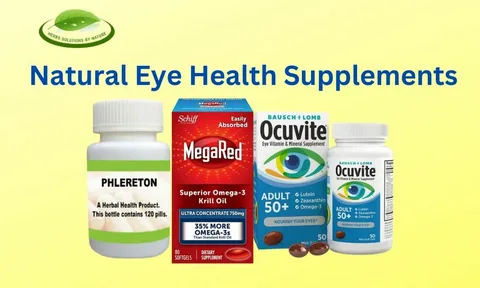
Eye health has become a growing concern as more people spend long hours on digital devices and experience vision strain. This has led to a surge in popularity for vitamins and supplements marketed to support or improve eyesight. But the real question many people ask is: Do eye supplements really work? What science says may surprise you.
Understanding What Eye Supplements Are
Eye supplements are formulas containing vitamins, minerals, and antioxidants that claim to protect the eyes from age-related degeneration, dryness, fatigue, and more. Common ingredients include:
- Lutein and zeaxanthin
- Vitamin A
- Omega-3 fatty acids
- Vitamin C and E
- Zinc
These nutrients play crucial roles in maintaining retinal health and filtering harmful blue light.
Do Eye Supplements Really Work? What Science Says About Key Ingredients
Scientific findings vary depending on the ingredient and the specific eye condition. Here’s what research shows:
1. Lutein and Zeaxanthin
These carotenoids are found in the retina and help filter high-energy light. Multiple studies, including the well-known AREDS2 trial, found that lutein and zeaxanthin may slow the progression of age-related macular degeneration (AMD) in people at high risk.
So, if you’re asking “Do eye supplements really work? What science says” about these nutrients is that they can be beneficial—but mainly for AMD prevention, not for general vision improvement.
2. Omega-3 Fatty Acids
Omega-3s support tear production and may help reduce dry eye symptoms. Research shows mixed results: omega-3s help some individuals but are not a definitive cure for dry eye disease.
3. Vitamins C, E, and Zinc
These antioxidants reduce oxidative stress, which contributes to degeneration of eye tissues. The AREDS formula—rich in these vitamins—has been scientifically proven to help slow advanced AMD, though it does not restore lost vision.
What Eye Supplements Cannot Do
Despite their benefits, eye supplements are not miracle cures. They cannot:
- Correct nearsightedness or farsightedness
- Replace glasses or surgery
- Restore vision already lost from diseases
- Completely prevent age-related changes
This is an important part of understanding Do eye supplements really work? What science says—supplements support eye health but aren’t a standalone treatment.
Who Might Benefit Most From Eye Supplements?
Eye supplements may be useful for:
- People at risk for or diagnosed with AMD
- Individuals with low dietary intake of leafy greens or antioxidants
- Those experiencing mild dry eye symptoms
- Older adults wanting to protect long-term eye health
For others, maintaining a nutrient-rich diet may provide the same benefits.
Conclusion
So, Do eye supplements really work? What science says is that they can be effective in specific situations—especially for slowing the progression of age-related macular degeneration and supporting overall eye health. However, they are not a substitute for a healthy lifestyle, regular eye exams, or medical treatment.
Eating a balanced diet, reducing screen strain, and protecting your eyes from UV light are just as important as any supplement.
