


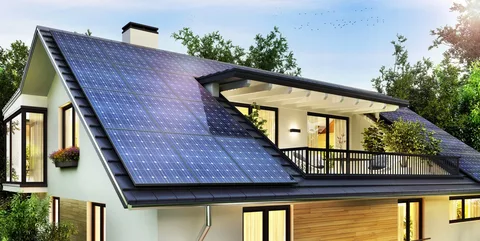
Switching to solar is one of the smartest investments homeowners can make today. Whether you want to cut electricity costs, reduce your carbon footprint, or gain energy independence, learning how to install a solar system is the first step. This guide is designed to make the process simple and clear—perfect for anyone just starting out. Throughout this article, we will explore major steps and considerations found in The Complete Beginner’s Guide to Installing a Home Solar Power System.
1. Understanding How Home Solar Power Works
Before you begin, it’s important to understand the basic components of a solar system:
• Solar Panels
These capture sunlight and convert it into direct current (DC) electricity.
• Inverter
This device converts DC electricity into alternating current (AC), which your home can use.
• Mounting System
Rails or brackets secure the panels to your roof or ground-based structure.
• Battery Storage (Optional)
Stores unused power for use at night or during outages.
• Net Meter
Allows you to sell excess power back to the grid, depending on local regulations.
Having a clear grasp of these components is an essential part of The Complete Beginner’s Guide to Installing a Home Solar Power System.
2. Evaluating Your Home’s Solar Potential
Not every roof is ideal for solar panels. Here’s what you should look for:
• Sunlight Exposure
South-facing roofs with minimal shade are the most efficient.
• Roof Material & Condition
Asphalt shingles work great, but older roofs may need repairs before installation.
• Local Climate
Cloudy regions can still use solar, but system size may need adjustment.
3. Calculating Your Energy Needs
To design the right system, analyze your utility bills:
- Determine how many kilowatt-hours (kWh) you use monthly.
- Identify peak usage times.
- Decide whether you want full or partial power coverage.
This will help you size your system correctly and avoid overspending.
4. Choosing the Right Solar Equipment
• Solar Panel Types
- Monocrystalline: Highly efficient and durable.
- Polycrystalline: More affordable but slightly less efficient.
- Thin-film: Lightweight and flexible but less powerful.
• Inverter Options
- String inverters: Cost-effective and common.
- Microinverters: Ideal for shaded roofs.
- Hybrid inverters: Work with batteries for backup power.
Selecting the right equipment is a crucial step included in The Complete Beginner’s Guide to Installing a Home Solar Power System.
5. DIY vs. Professional Installation
DIY Installation
- Lower cost
- Requires electrical knowledge
- Must follow local building codes
Professional Installation
- Safer and faster
- Warranty-backed
- Ensures permit and inspection compliance
Most beginners choose professional services to avoid mistakes and safety risks.
6. Permits, Inspections, and Incentives
Before installing:
- Apply for local building and electrical permits.
- Schedule city inspections once installation is complete.
- Research government incentives like tax credits, rebates, and net metering programs.
These incentives can reduce total costs by 20–40%.
7. Final Installation and System Activation
The installation process typically includes:
- Mounting the panels
- Installing the inverter
- Running wiring
- Connecting to the electrical panel
- Passing final inspections
- Activating your system
Once your system is turned on, you can start producing clean energy immediately.
Conclusion
The Complete Beginner’s Guide to Installing a Home Solar Power System empowers homeowners to move confidently toward renewable energy. By understanding how solar works, evaluating your home, choosing the right system, and navigating permits and installation, you’ll be well-prepared to take the next step. With the right approach, installing a home solar power system can be a smooth and rewarding experience—both financially and environmentally.
